
The Privatization of Neglect: Citizen-Funded Municipal Repairs Threaten Our Communities
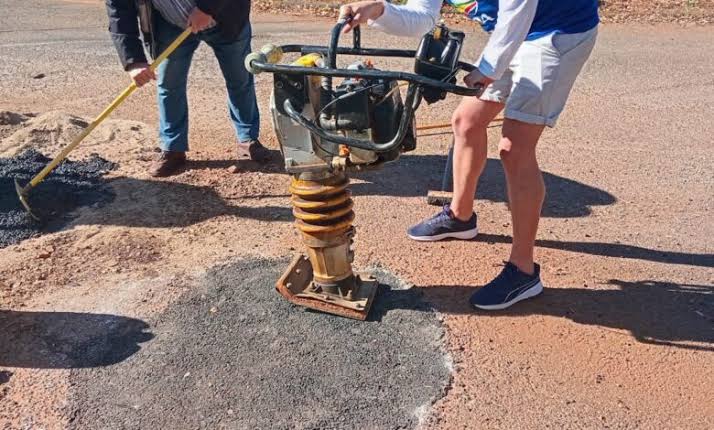
When potholes damage vehicles, streetlights plunge neighborhoods into darkness, and municipal water leaks turn streets into rivers, our resilient community often steps up. Facing service delivery failures, residents and local businesses are dipping into their own pockets. They buy asphalt, hire private contractors, and pool funds to patch infrastructure. While these grassroots efforts stem from a commendable desire for safety and civic pride, relying on private citizen funds to fix public infrastructure is a dangerous precedent that ultimately harms the very communities trying to save themselves.
The Evasion of Governmental Accountability
When citizens take over the responsibilities of local government, they inadvertently let elected officials and municipal employees off the hook. Municipalities are funded through rates, taxes, and government allocations explicitly designated for infrastructure maintenance and public services. When residents fund these repairs themselves, the municipality faces zero financial consequences for its incompetence or corruption.
It creates a perverse incentive:
Why should a local government allocate budgets for service delivery when tax-paying citizens will eventually foot the bill twice—first through compulsory taxes, and second through voluntary repairs?
Deepening Economic Inequality
Public infrastructure is meant to be a great equalizer, funded collectively so that everyone—regardless of income—benefits from safe roads, functioning sanitation, and reliable electricity. When infrastructure repair becomes dependent on community fundraising, wealthy neighborhoods thrive while low-income areas are left behind. Affluent business districts and high-income suburbs can easily raise thousands of rands to pave their streets and fix their lights. Meanwhile, impoverished communities lacking disposable income are abandoned to systemic neglect. This shifts the provision of basic human rights from a public guarantee to a luxury commodity available only to those who can afford a double tax.
Compounding Legal and Safety Liabilities
Municipal infrastructure is complex and governed by strict engineering standards, safety regulations, and environmental laws. When untrained residents or unvetted private contractors patch public assets, they introduce massive liabilities. Who is legally responsible if a citizen-patched road caves in and causes a fatal accident? Who absorbs the cost if an amateur plumbing fix contaminates the municipal water supply? By bypassing formal municipal channels, communities open themselves up to legal action, insurance disputes, and safety hazards that far outweigh the short-term convenience of a quick fix.
Normalizing Systemic Failure
Perhaps the most insidious danger of citizen-funded repairs is the normalization of failure. Over time, temporary community fixes morph into permanent civic expectations. Society begins to accept that the state is fundamentally broken, shifting our cultural baseline from demanding institutional accountability to celebrating makeshift survival. This erosion of civic standards weakens our collective bargaining power as citizens.
Communities must recognize that patching a pothole with private money is not an act of heroism—it is a subsidy for municipal failure. To sustain our city, citizens must resist the urge to normalize neglect, demanding instead that public funds are strictly accounted for and that those elected to govern are held fully responsible for doing their jobs!