

Water Crisis gripping Witbank
In a severe twist of local irony, the municipality that feeds the nation’s energy grid frequently finds itself struggling to secure a resource far more fundamental than electricity: clean, running tap water. Across Witbank, residents and business owners alike have become all too familiar with the harsh realities of sudden water shut-offs, sputtering low pressure, and discolored water flowing from household fixtures.
The Anatomy of Dropping Pressures and Dry Taps
For households across suburbs, and surrounding residential areas, opening a tap to find complete dryness has become a recurring frustration. The root of the crisis often traces back to critically low storage capacities at key municipal reservoirs—such as Points A, B, and D—combined with aging infrastructure that struggles to handle routine system shocks.
When regional electrical disruptions or grid maintenance hit the area’s pumping stations, the cascading effect on the water network is immediate. Reservoirs lose their head start, water levels plummet toward double-digit percentages, and municipal engineers are forced to throttle distribution. The result is a cycle of chronic low pressure where upper-level neighborhoods receive little more than a persistent drip, forcing families to wait until the dead of night for pressure to build enough just to fill a bucket or run a washing machine.
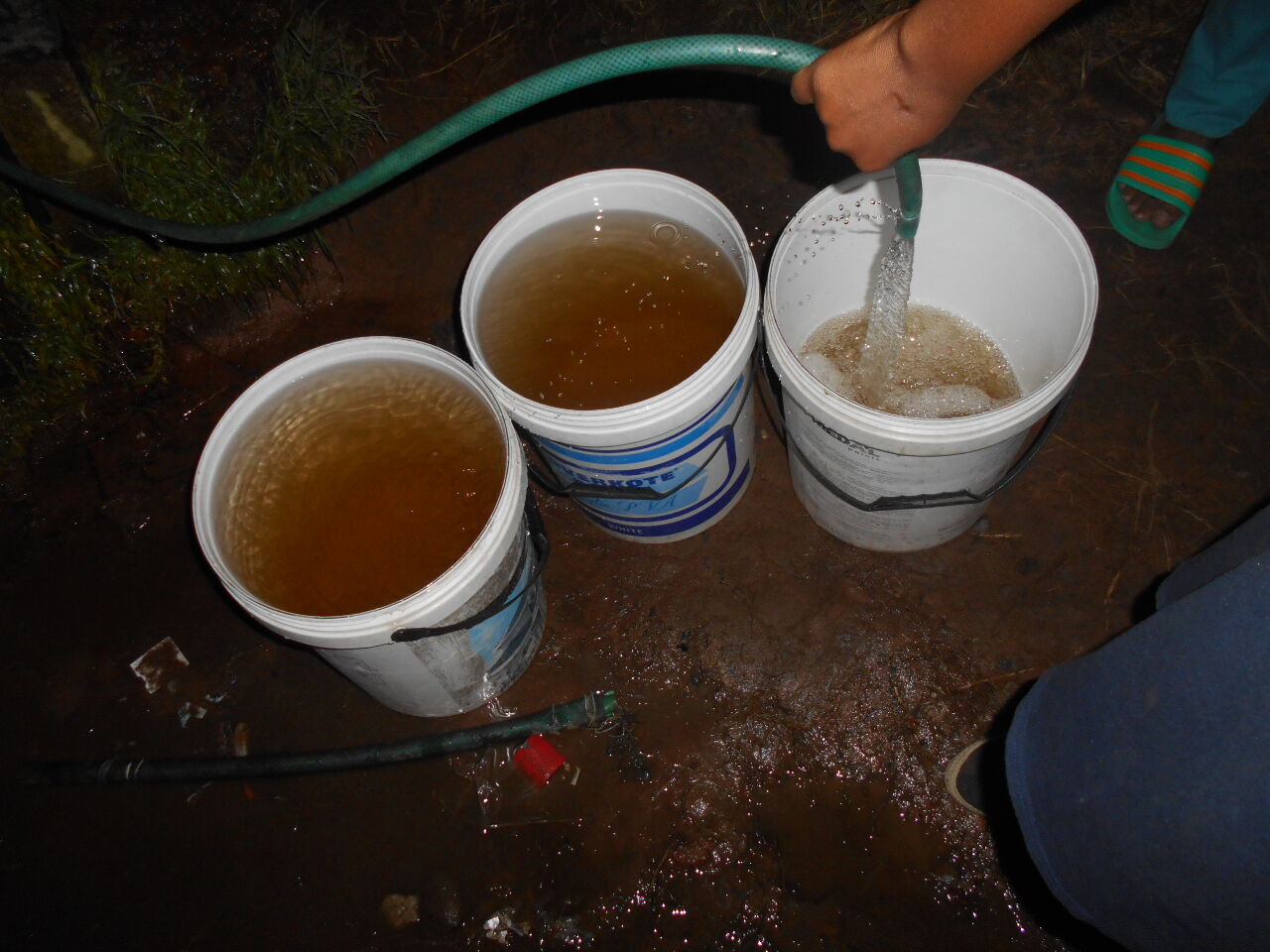
When the Tap Turns Brown
Compounding the scarcity is the alarming quality of the water when it does finally return. Residents frequently report murky, discolored, or dark brown water surging through their pipes after a major pipeline repair or scheduled shutdown. Decades of sediment accumulation inside aging distribution lines, paired with overextended purification works, mean that getting water back on does not automatically mean the water is safe.
Faced with these compromised supplies, local families are often forced to install heavy-duty filtration systems, purchase bottled water, or spend precious household electricity boiling water just to ensure basic safety.
Resilience on the Highveld
Despite enduring years of infrastructure strain, emergency water shutdowns, and frustrating service delivery hurdles, the community of Witbank continues to adapt. Neighborhood networks rally together during extended outages—sharing borehole water, organizing community support, and holding local authorities accountable for long-term infrastructural overhauls.
As technical teams battle aging pipes and reservoir deficits, the ongoing fight for reliable water highlights a defining chapter of modern life on the Highveld: a testament to a community refusing to back down, even when the taps run dry.