

Caught in the Crossfire: Grid Failures, Loadshedding, and Resilience
For a city historically celebrated as the powerhouse of South Africa—supplying the very coal and electrical energy that lights up the nation—experiencing rolling blackouts and municipal grid instability carries a profound sense of irony. In the City of Coal, the modern reality of loadshedding and localized power failures extends far beyond simple inconvenience, hitting at the core of municipal infrastructure, community endurance, and local daily life.
The Paradox of Power on the Highveld
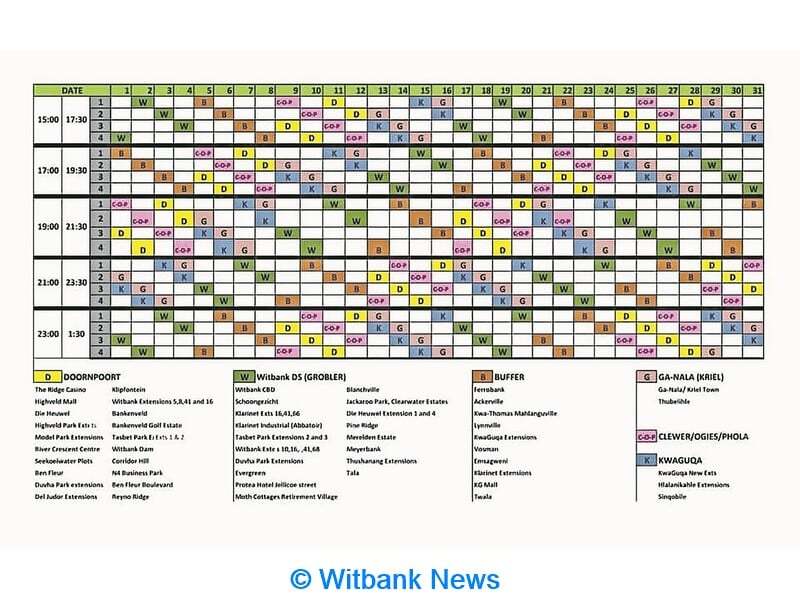
While national power utility schedules dictate standard rotational blackouts across the country, Witbank faces a uniquely compounded crisis. Decades-old infrastructure, mounting municipal debt, and non-technical grid losses from illegal connections and cable theft mean that local neighborhoods frequently endure extended outages that stretch well beyond standard national schedules.
When the lights go out across Witbank, the ripple effects are immediate. Water treatment works and booster stations rely entirely on a stable power supply; consequently, extended blackouts frequently cause reservoirs to run dry, leaving residents dealing with simultaneous water cuts and plumbing failures. Small businesses, commercial hubs, and industrial workshops alike have had to adapt rapidly, investing heavily in backup generators, solar inverters, and alternative energy systems just to keep their doors open.
Community Resilience and the Push for Grid Protection
Despite the mounting pressures of crumbling municipal equipment and frustrating outages, the spirit of Witbank residents remains unyielding. Neighborhood watch groups mobilize to protect local substations from recurring cable theft, local business chambers advocate for structural accountability, and community initiatives continually push for long-term infrastructural rehabilitation.
The ongoing struggle for reliable power highlights a critical chapter in the city’s modern evolution. As local stakeholders and municipal entities work toward establishing dedicated protection units and grid stabilization protocols, the resilience of Witbank’s people proves that the true energy of the Highveld lies not just in its coal seams, but in the unwavering determination of its community.