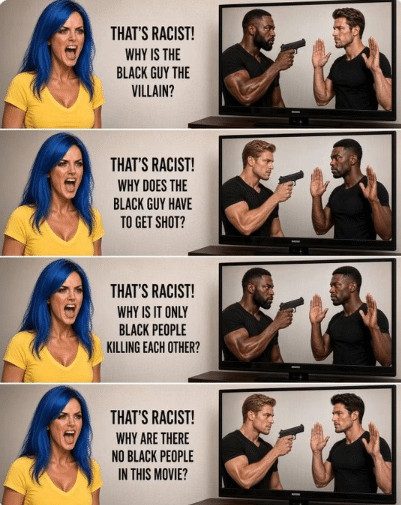

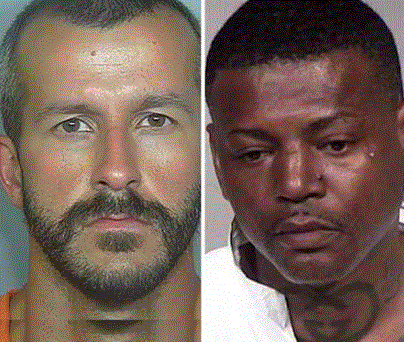
Is it racist to mention race if a criminal suspect isn’t White?
read alongside: Missing Details in Crime Reporting Leave Communities in the Dark
No!
It’s a way to identify someone or narrow the search for someone quickly. It’s a descriptive comment exactly the same as; gender, build, height, hair color/style, clothing, tattoos etc.
Race is an identifier, nothing more nothing less!
What creates genuine issue and bias is when the news media limits, redacts, or completely omits the use of this essential identifier.
When news reports routinely sanitize or withhold physical descriptions—avoiding any mention of race or ethnicity even when law enforcement requires public assistance to locate a suspect—it undermines public safety and creates confusion. By omitting key physical traits, the media prevents communities from having an accurate, complete picture of who authorities are searching for. Furthermore, when reporting selectively omits these facts except when fitting a specific narrative, it skews public perception rather than providing transparent, neutral reporting.
Consider a practical example: say a robbery takes place. The suspect produces a gun, threatens a victim, steals their phone and cash, then flees on foot into a crowd. Police need a complete, accurate description of the suspect immediately to detain them and prevent further harm. The physical ethnicity or race of the suspect is a vital element in narrowing down that search quickly. If witnesses state the suspect is a White male, aged 20 to 25 with a bushy beard, officers can immediately rule out a large portion of the population and focus their search efficiently.
So, no, it is not racist to mention race or ethnicity in suspect descriptions. You are simply describing an individual based on observed physical traits.
Society has increasingly blurred the line regarding what constitutes actual racism. To make the distinction clear: it would not be racist for someone to report, “A black man stole my bicycle.” Realistically, the victim will provide additional details—such as height, weight, clothing, and facial features—but the race of the suspect remains an essential physical detail that narrows down the search in real time. This statement is based on an accurate, direct visual observation of a specific incident.
On the other hand, if someone says, “Somebody stole my bike; I bet they were black,” that would be considered racist. That statement is not descriptive; it is prescriptive. The person did not see who committed the act and is making a value judgment based purely on bias and preconception rather than observed facts.
When news outlets obscure or exclude basic descriptive facts out of hesitation, they compromise the effectiveness of law enforcement, hinder public awareness, and substitute objective reporting with editorial avoidance. Descriptive factual clarity is not prejudice—it is a tool for accuracy.
read alongside: Missing Details in Crime Reporting Leave Communities in the Dark