

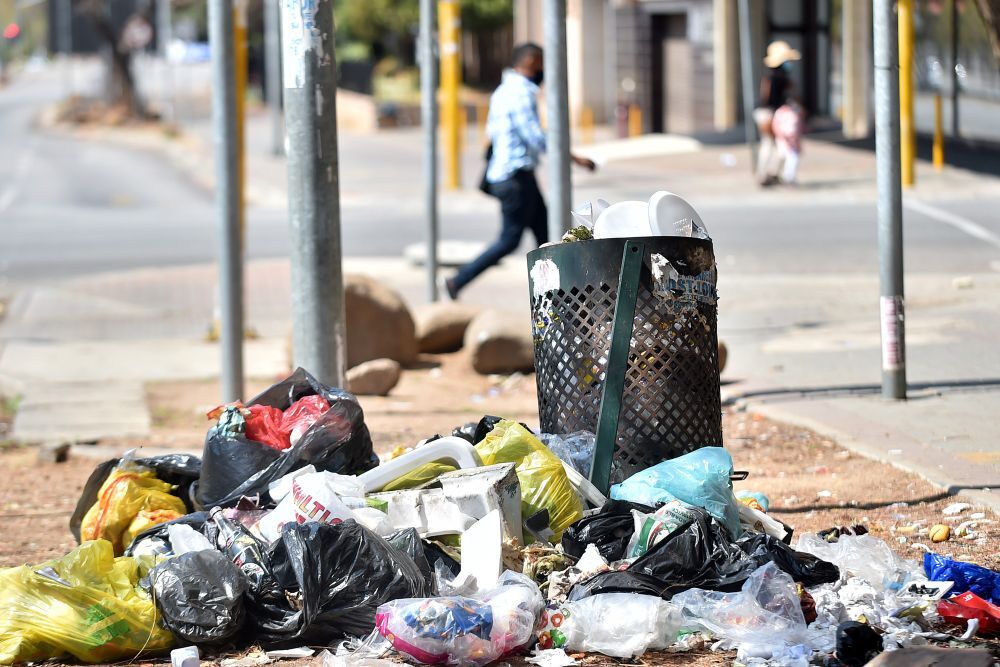
Piling Up: the waste collection and illegal dumping Crisis
For residents living across Witbank, the sight of overflowing wheelie bins left uncollected for weeks has become an unwelcome fixture of daily life. The breakdown of municipal refuse removal services has transformed waste management from a routine civic utility into a persistent headache for homeowners, local businesses, and neighborhood coalitions.
The Breakdown of Municipal Collection
The roots of Witbank’s trash crisis typically trace back to a combination of fleet maintenance failures, cash-flow strains, and labor disruptions. When municipal garbage trucks break down or lack access to fuel, standard weekly schedules collapse. Neighborhoods go weeks without a single collection run, leaving wheelie bins overflowing onto curbsides, sidewalks, and driveways.
As rotting garbage accumulates in the summer heat, residents face escalating hygiene risks, foul odors, and scavenging wildlife. Stray dogs, rodents, and pests are increasingly drawn to uncollected waste, tearing open trash bags and scattering refuse across lawns and public verges.
The Scourge of Illegal Dumping
With municipal waste sites often experiencing restricted operating hours, long queues, or operational gridlock, the frustration spills over into illegal dumping. Open municipal land, vacant industrial plots, roadside ditches, and even the outskirts of residential neighborhoods have rapidly turned into unauthorized dumping grounds.
Heaps of household rubbish, building rubble, garden refuse, and industrial packaging now litter areas that were once clean green spaces. The proliferation of illegal dumping not only ruins the aesthetic appeal of the city but also creates severe environmental hazards, blocking storm-water drains and contaminating local ground tables.
Grassroots Cleanup and Civic Action
Refusing to let their neighborhoods drown in refuse, local residents, community groups, and private business alliances have increasingly stepped up to bridge the gap. Volunteer cleanup operations regularly mobilize to clear illegal dumping hotspots, while neighborhood watch networks report dumping vehicles to local authorities.
Furthermore, many suburbs have seen the rise of private waste-removal subscription models, where households band together to hire independent contractors to ensure their trash is hauled away reliably. The ongoing struggle with refuse collection underscores a familiar theme across Witbank: an overextended local administration contrasted against an enduring, self-reliant community determined to keep its home clean and livable.